The Architecture of Light: Circadian Lighting in High-End Residences
Eliza Moreau · November 5, 2025
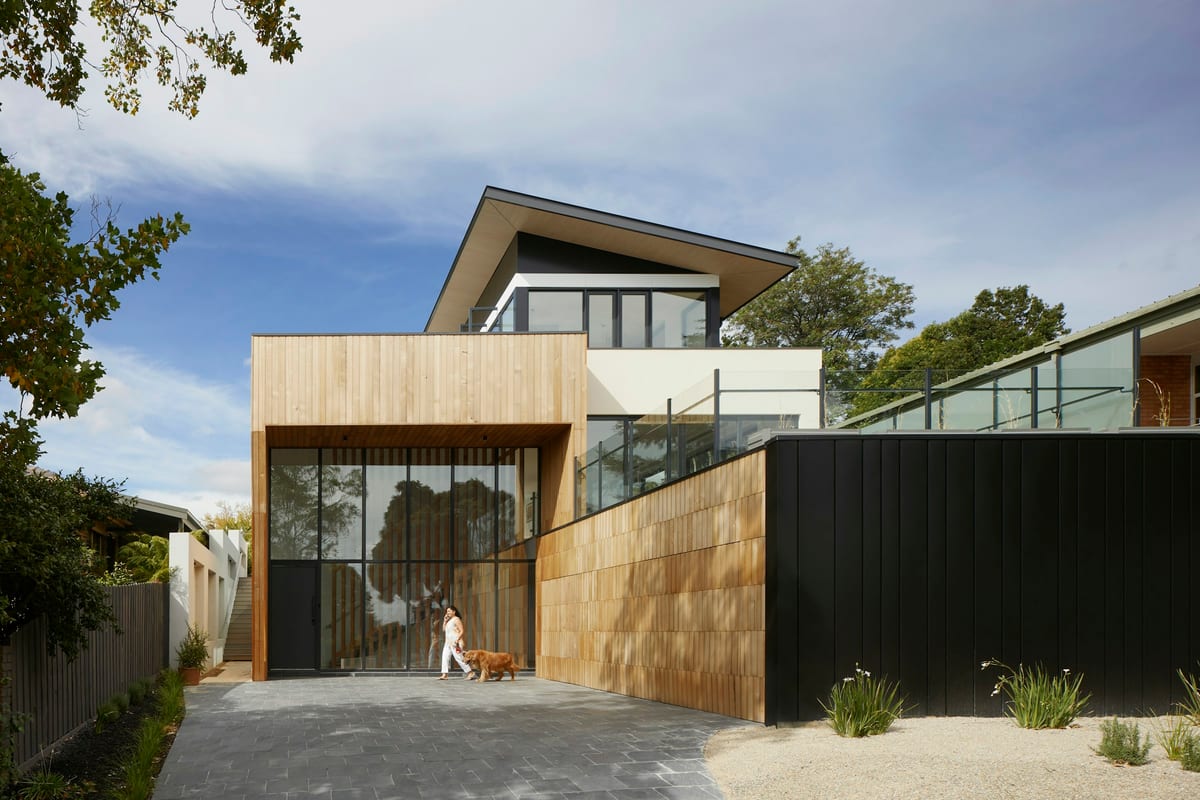
The first time a client experiences true circadian lighting, the response is invariably small and physical. A long exhale. A slight surprise at the temperature of the morning. A sense, not articulated, that the room is behaving differently than it did the day before. Almost no one says, on first encounter, that this is a technology. They say the room feels right.
What is happening is in fact biological. Human circadian rhythm is regulated, in significant part, by the spectral content of the light reaching the retina across the day. Cool, blue-rich light in the morning suppresses melatonin and supports alertness. Warm, red-rich light in the evening permits melatonin to rise and supports the descent into sleep. Modern LED platforms — Ketra principally, but also high-end variants from Lutron — can reproduce this curve directly, in fixtures, on a schedule, with no fixture changes through the day.
The architectural opportunity is unusual. For the first time in the history of residential building, the lighting plan is not a static deliverable. The drawing is no longer a sheet showing where each fixture lives and what wattage it draws; it is a four-dimensional brief that includes how the room shifts across the hours. Designing that brief properly is a collaboration between the lighting designer, the architect, the integrator, and the principal — and it is the most interesting design conversation we have on most modern residences.
The work begins with the elevations. Each room receives a primary curve — cool at 6 AM rising to 6500 K by mid-morning, holding through working hours, then descending across the afternoon to a 2200 K candle-like glow by evening. Layered on top of the curve are scenes: dining warmer than the curve at 7 PM, cinema dropped almost to dark, late-evening reading lifted briefly to 2700 K. The scenes are authored against the curve, not against the fixtures. The fixtures simply execute.
There are a number of small disciplines that distinguish a properly tuned circadian residence from a brochure-ready one. Daylight contribution is measured during the design phase and the curve is offset accordingly — a south-facing room in Florida does not need the morning lift that a north-facing study in Manhattan does. Color rendering is held to a high CRI threshold (we specify 95+) so the room reads correctly across the entire spectrum, not just at midday. Critically, the dimming engine is matched to the eye's logarithmic response — a 50 percent dimming command produces a perceptual half-brightness, not a linear half-power.
The reward is measurable. We have clients who report improved sleep within weeks of occupancy. We have principals who travel internationally and use the residence's circadian system to manage jet lag. We have households whose late-night routines have shifted earlier, by an hour or more, simply because the room is now telling them that it is night. Almost none of them describe these changes as a technology benefit. They describe them as a quality of life that the residence now contains.
That is the right framing. Circadian lighting is not an upgrade. It is a property of the room — engineered into the building like its acoustics, its thermal envelope, its sightlines. When done well, it is invisible. When done very well, it is irreversible.
The architectural opportunity is unusual.
Private Networks: Why Wi-Fi Is the New Foundation
The unromantic truth about modern luxury: every system in the residence is downstream of the network, and the network deserves the most careful specification of all.
Read articlePost-Installation: The Discipline of the Service Partnership
Most integrators install. The good ones install and service. We treat both with the same discipline. A note on the relationship after the principal walks in.
Read articleBegin the Conversation.
Every engagement begins with a private conversation — often under NDA, always without obligation. We would be honored to hear about the residence you are composing.