Private Networks: Why Wi-Fi Is the New Foundation
Marcus Kenji · October 8, 2025
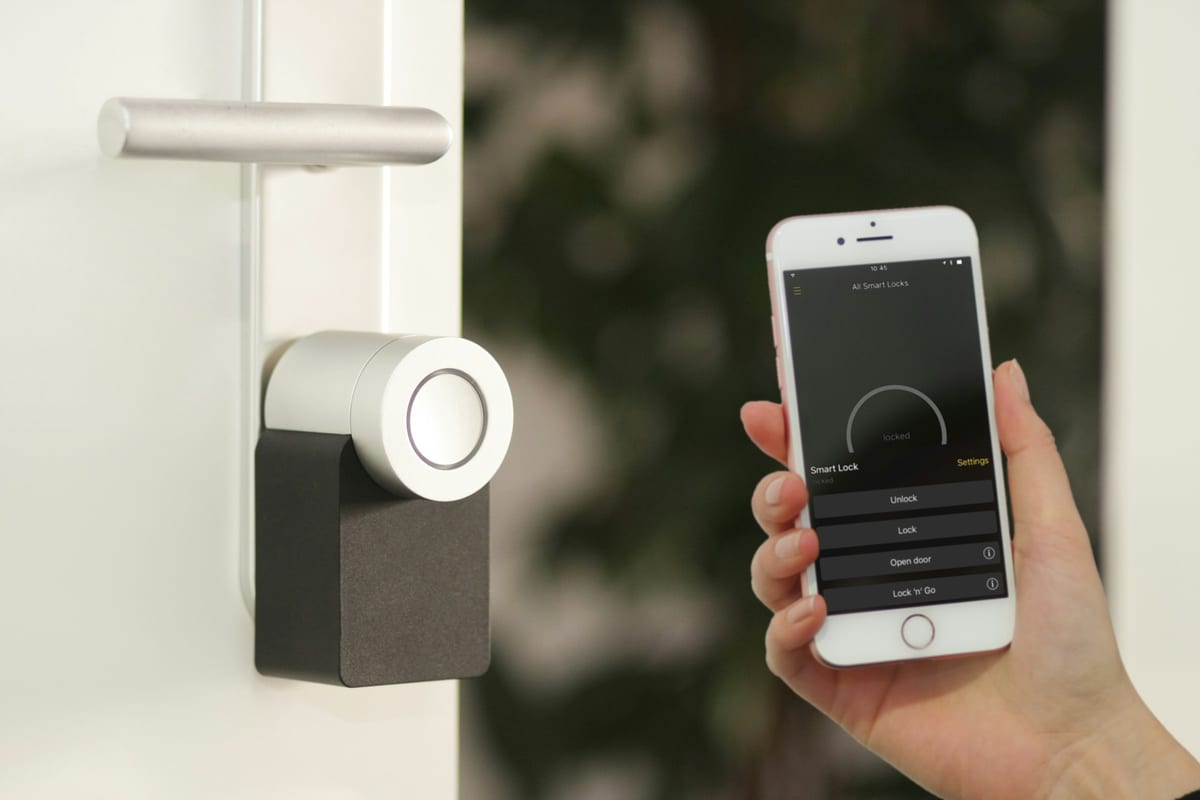
When a residence drops a single device for a single hour, the household notices. When it drops the network for that same hour, the residence stops. Lighting scenes fail to recall. The intercom is dead. The cinema can no longer reach its library. The entry gate refuses a credential. The principal — calling from abroad — cannot reach the camera at the gate to verify the courier. A great many things that look unrelated turn out, in moments like these, to have been related all along.
We have come to believe that the network is the most consequential single specification in the modern residence. It is also, almost universally, under-specified. Even at the highest end of the market we encounter homes whose lighting cost six figures and whose router was a consumer device installed by the GC. The asymmetry is striking. The remediation is one of the most rewarding pieces of work our firm undertakes.
A properly specified residential network has a few non-negotiable characteristics. The first is structured cabling — Cat6A or fiber to every room, terminated and tested, run during framing and not as a retrofit. Wireless is a complement to this, not a substitute for it. The second is enterprise-grade core hardware: Ubiquiti equipment in a properly cooled rack room with redundant power. Consumer-grade devices, however heroic their marketing, do not survive twenty-four months of continuous service in a home that depends on them.
The third is segmentation. We do not place family devices, household-staff devices, IoT devices, and guest devices on the same network. Each receives its own VLAN with appropriate firewall policy. The principal's laptop should not be discoverable by the smart toaster. The toaster, similarly, should not be discoverable by anyone. This is good hygiene; it is also, increasingly, a security posture appropriate to households of profile.
The fourth is redundancy. We specify carrier-diverse internet — two physically distinct providers entering the property by two different paths — with automatic failover. For estates we add a 4G or 5G last-resort failover so that even a regional provider outage does not interrupt service. The principal will not notice these in service. They will, exactly once, notice that they did not lose service when their neighbors did. That is the deliverable.
The fifth is monitoring. Every residence we deliver enters proactive monitoring at handoff. Latency, packet loss, and access-point health are tracked continuously. When a metric drifts, the on-call engineer sees it, often before the household does. The wireless access point that fails at 3 AM is replaced before the espresso machine asks for the network at 6 AM.
None of this is interesting to talk about. None of this is photographed for the magazine spread. It is, however, what makes everything else photographed for the magazine spread continue to work. When a principal asks us where the budget should go in a new residence, our most consistent answer — to their slight surprise — is the network.
A properly specified residential network has a few non-negotiable characteristics.
Post-Installation: The Discipline of the Service Partnership
Most integrators install. The good ones install and service. We treat both with the same discipline. A note on the relationship after the principal walks in.
Read articleThe Quiet Revolution: Why Luxury Now Means Invisible Technology
The most expensive feature in the modern residence is restraint. A note on the new vocabulary of integration, written from the field.
Read articleBegin the Conversation.
Every engagement begins with a private conversation — often under NDA, always without obligation. We would be honored to hear about the residence you are composing.